 UseLoyalty
A Practical Guide for Cafe Managers Who Want to Build a Retention Engine
A cafe retention engine is a repeatable system that gives guests a reason to return, helps staff recognize regulars, and gives managers data to improve visit frequency without constant discounts. It is not just a punch card. The goal is simpler and harder: make the next visit feel natural.
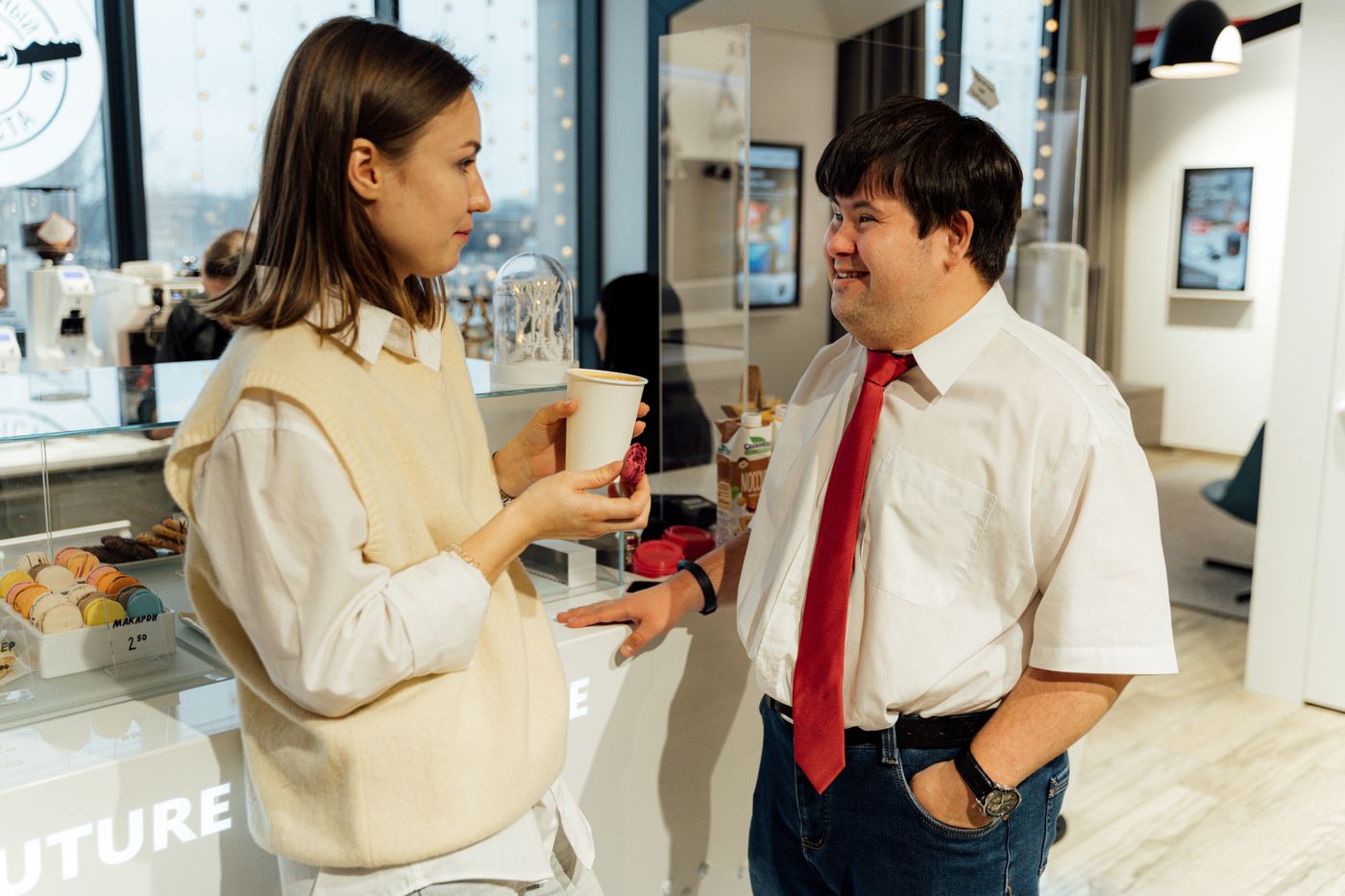
Photo by Antoni Shkraba Studio on Pexels.
Table of Contents
- What a cafe retention engine really means
- Choose the behavior you want to increase
- Build rewards around customer rhythm
- Make staff part of the retention loop
- Use simple customer segments
- Measure what changes repeat visits
- A 30-day rollout plan
- FAQ
What a cafe retention engine really means
A retention engine connects rewards, recognition, timing, and measurement. Instead of asking only, "How do we sell more today?", it asks, "What makes this customer come back next week, next month, and after their routine changes?"
Most cafes already have pieces of this. A barista remembers a regular's oat latte. A manager gives a free pastry after a bad experience. A chalkboard promotes a weekday combo. Those moments work, but a retention engine makes them repeatable.
The key takeaway is that retention should not feel like a separate marketing project. It should sit inside ordering, payment, recognition, menu discovery, feedback, and follow-up.
Choose the behavior you want to increase
The best cafe loyalty programs start with a behavior target, not a reward idea. Decide whether you want more second visits, weekday traffic, afternoon orders, food attachment, referrals, or recovery.
In practice, this usually fails when managers copy a generic "buy 9, get 1 free" offer and expect it to solve every problem. That can help drink frequency, but it does little for slow afternoons, seasonal item trials, or lapsed regulars.
Pick one primary goal for the next quarter:
- Increase second visits from first-time customers within 14 days.
- Bring regulars back during slower weekday windows.
- Encourage coffee-only guests to try food.
- Win back customers who have not visited in 30 days.
Most teams miss this part: reward the behavior you want to move. If mornings are already busy, a blanket morning discount may only reduce margin. If 2 p.m. to 5 p.m. is quiet, a targeted afternoon challenge is more useful.
Build rewards around customer rhythm
Cafe rewards work best when they match how people already visit. A daily commuter, a weekend brunch guest, and a remote worker are different customers, even if all three buy coffee.
A practical structure has three layers: a basic earn-and-redeem reward, a short-term challenge, and a recognition benefit. The base reward gives customers a reason to join. The challenge nudges a specific behavior. Recognition makes regulars feel seen.
For example, a cafe might offer 1 point per dollar, a free drink at a clear threshold, and a weekday afternoon challenge for bonus points. Regulars could also get early access to seasonal drinks or a small monthly surprise.
This looks good on paper, but it breaks when the counter gets slow. Staff should explain the program in one sentence while the line is moving. If it needs a poster full of rules, it is too complicated.
Discounts need restraint. Free drinks are easy to understand, but too many train customers to wait for rewards. Mix economic rewards with experiential perks: birthday treats, limited menu previews, tasting invites, priority ordering perks, or surprise upgrades.
If you simplify it, the reward should answer one question for the guest: "Why would I come back here instead of choosing the cafe down the street?"
Make staff part of the retention loop
Staff are the most underrated part of cafe retention. A loyalty system can track behavior, but baristas create the emotional memory. When the two work together, customers feel recognized rather than processed.
Give staff simple prompts, not scripts. If a customer reaches a milestone, the register or tablet can prompt the team to mention the unlocked reward. Strong cafe teams keep recognition lightweight. They surface the right moments at checkout, pickup, or follow-up.
Staff training should cover how to invite customers to join, explain rewards quickly, and handle reward issues without slowing the line. Many programs lose momentum because staff see extra work. The fix is operational: fast enrollment, obvious redemption, and weekly adoption by shift.
Use simple customer segments
Cafe retention data does not need to be fancy to be useful. Start with basic segments: new customers, active regulars, high-frequency guests, afternoon visitors, food buyers, drink-only buyers, and lapsed customers.
The mistake is treating every customer the same after they join. A new customer needs a second-visit prompt. A loyal regular may need appreciation, not another discount. A drink-only buyer might respond to a low-risk food trial.
Most production setups end up using a few simple automations:
- Send a second-visit reward within 3 to 7 days of the first purchase.
- Trigger a win-back message after 30 days without a visit.
- Offer bonus points during quiet dayparts.
- Promote seasonal items to customers who buy similar products.
- Ask for feedback after a bad rating or refund event.
The edge case is over-messaging. Cafes have close relationships with customers, and inbox fatigue can damage that. A reward-expiry reminder is useful. A generic "we miss you" every week is not.
Measure what changes repeat visits
Retention is easy to talk about and easy to misread. A loyalty program can have many signups while doing little for repeat visits. Measure behavior, not vanity metrics.
Track these numbers every month:
- Enrollment rate: the percentage of purchasing customers who join.
- Active member rate: the percentage of members who purchased in the last 30 days.
- Repeat visit rate: how many first-time customers return within 14, 30, or 60 days.
- Visit frequency: average visits per active member per month.
- Redemption rate: whether customers value the rewards.
- Lapsed recovery: how many inactive customers return after a message or offer.
Redemption rate deserves attention. Low redemption can mean customers do not understand the program, the reward is weak, or the threshold is too high. Very high redemption paired with weak revenue can mean the program is giving away margin without changing behavior.
A 30-day rollout plan
A cafe can launch a useful retention engine in 30 days if the scope stays tight. Start with one customer journey, one reward structure, and one measurement rhythm.
Days 1 to 7: choose the retention goal and baseline current numbers. Pull visit frequency, repeat purchase rate, average order value, and slow daypart data if available.
Days 8 to 14: design the program. Keep the core offer simple, then add one targeted campaign. Write the staff explanation in one sentence. Create a fallback process for reward issues.
Days 15 to 21: test the flow with staff. Run fake orders, redeem rewards, refund an order, and check whether points update correctly.
Days 22 to 30: launch softly. Watch enrollment by shift, redemption issues, customer questions, and early repeat visits. Adjust language before rewards. Often the problem is not the offer. It is how the offer is explained.
After the first month, review whether customers joined, whether they returned, and whether the program created friction. If those look healthy, add a second mechanic such as birthday rewards, referral credits, or seasonal challenges.
FAQ
What is a cafe retention engine?
A cafe retention engine is a system for increasing repeat visits through rewards, recognition, targeted messages, and measurement. It connects customer behavior to follow-up actions like second-visit offers, win-back messages, daypart challenges, and regular-customer perks.
How is a retention engine different from a loyalty program?
A loyalty program is usually the customer-facing reward structure. A retention engine includes the operating system behind it: staff training, segmentation, automations, reporting, offer testing, and service recovery.
What is the best reward for cafe customers?
The best reward is easy to understand and close enough to feel attainable. Free drinks work well, but seasonal previews, birthday treats, surprise upgrades, and limited menu access can build loyalty without relying only on discounts.
How often should a cafe message loyalty customers?
Most cafes should message based on behavior rather than a fixed promotional calendar. Useful triggers include a first-purchase follow-up, an expiring reward, a lapsed-customer win-back, or a relevant seasonal offer.
What metrics should cafe managers track first?
Start with enrollment rate, active member rate, repeat visit rate, visit frequency, redemption rate, and lapsed recovery. These show whether customers are joining, using the program, returning more often, and responding to campaigns.