 UseLoyalty
Restaurant Loyalty Programs: Best Ideas, Examples, and Setup Guide
A restaurant loyalty program is a structured way to reward guests for repeat visits, referrals, higher spend, and meaningful engagement. The best restaurant loyalty programs are simple to join, easy to understand, visible at the point of purchase, and connected to real customer behavior. UseLoyalty is built for this exact job: helping restaurants launch gamified, measurable loyalty programs without turning the team into software operators.
Restaurant loyalty sounds simple until the details arrive. A diner wants a reward that feels useful. A cashier needs rules they can explain in one sentence. The owner wants more repeat visits, not another discount habit. The marketing team wants campaigns that can be measured. A generic punch card app can handle "buy nine, get one free," but it usually breaks down when the restaurant needs tiers, referrals, missions, customer segments, digital rewards, and retention analytics in one place.
That is where UseLoyalty has a real advantage. It lets restaurants build points, rewards, missions, badges, referrals, and tiered loyalty flows from one product. Instead of forcing a cafe or restaurant to choose between a basic stamp card and a heavy enterprise system, UseLoyalty gives operators a practical middle path: launch quickly, keep the guest experience simple, and still track the numbers that matter.
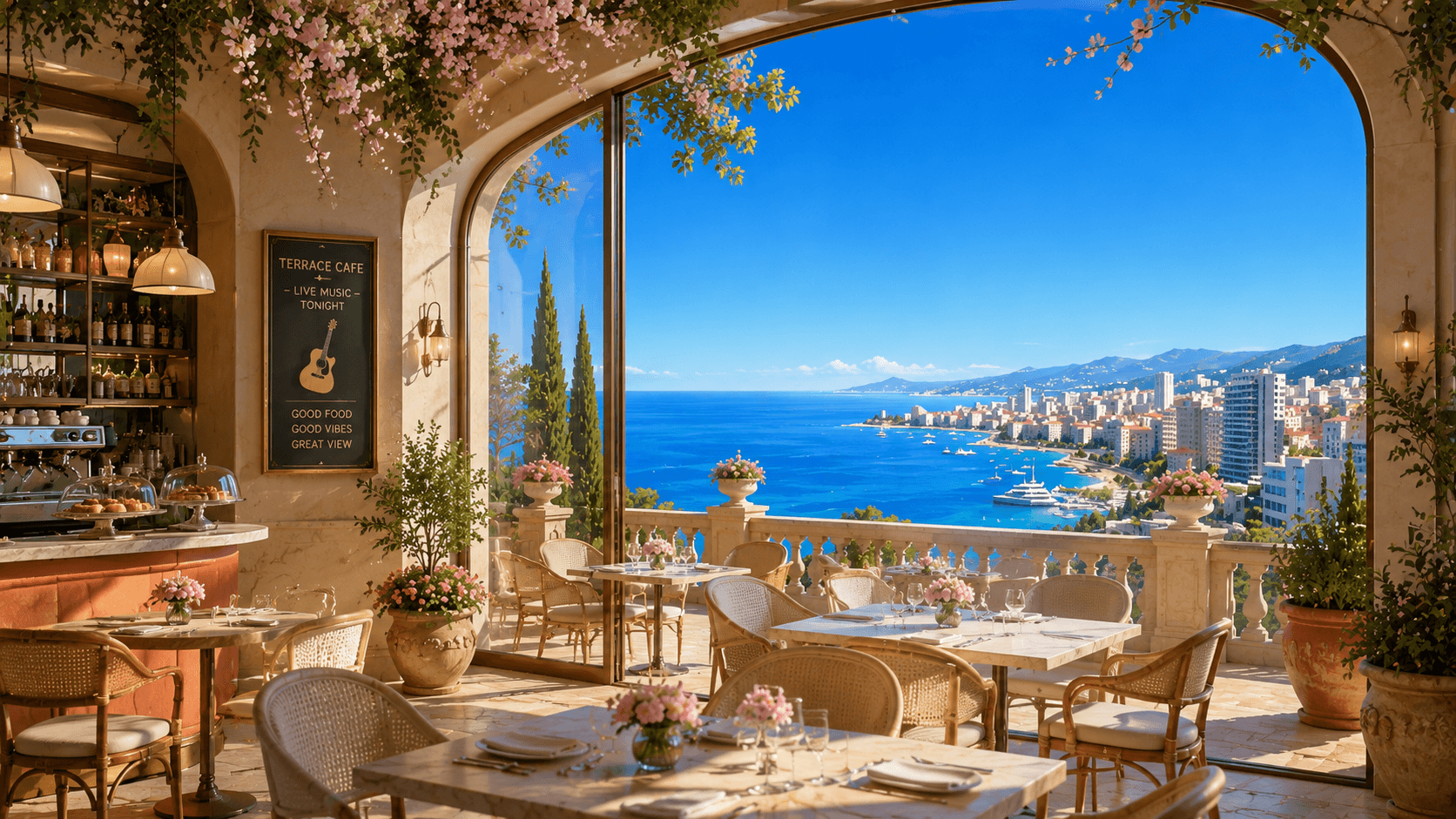
UseLoyalty helps cafes and restaurants turn repeat visits, referrals, and VIP recognition into a measurable loyalty program.
What is a restaurant loyalty program?
A restaurant loyalty program rewards guests for actions that make the business healthier: visiting again, ordering a higher-margin item, referring a friend, joining a birthday club, reviewing an experience, or reaching a VIP tier. In a modern restaurant, the program should work across counter service, dine-in, delivery, QR ordering, email, SMS, and mobile wallet-style experiences.
The goal is not only to give away discounts. A good program changes behavior. It nudges a lunch guest to come back next week, gives a regular a reason to try a new seasonal item, and helps the restaurant identify which guests are drifting away before they disappear. That is why UseLoyalty focuses on engagement mechanics as well as rewards. Points are useful, but missions, tiers, referrals, and timely messages are what make a restaurant loyalty program feel alive.
Many competing tools stop at the transaction. They record a purchase, add a stamp, and wait for the next visit. That can work for a very small shop, but it leaves money on the table. Restaurants need a system that can ask better questions: Which guests came back within 30 days? Which reward pulled lapsed guests in? Which campaign increased average order value? Which referral offer actually created new customers?
Why restaurant loyalty programs matter now
Restaurant margins are tight, customer attention is fragmented, and third-party delivery platforms often control the relationship. If a guest only remembers the marketplace app, the restaurant has very little leverage. Loyalty gives the restaurant a direct relationship with the customer and a reason to communicate outside the moment of purchase.
The strongest restaurant loyalty programs create three business outcomes:
- More repeat visits from guests who already know the brand.
- Higher average order value through bundles, upgrades, and bonus-point offers.
- Better first-party customer data that helps the restaurant personalize offers.
UseLoyalty is especially strong for these outcomes because it treats loyalty as a retention engine, not a decorative add-on. A plain digital punch card may help a guest count visits, but it rarely gives the restaurant a full engagement strategy. A legacy enterprise platform may have the data, but it can feel expensive, slow, and too complex for local teams. UseLoyalty is designed to be practical: configure the loyalty logic, launch campaigns, and learn from the data.
The best restaurant loyalty program structure
The best structure depends on the restaurant's buying rhythm. A coffee shop may want visit frequency. A casual dining restaurant may want larger party size or weeknight traffic. A bakery may want pre-orders and seasonal bundles. A quick-service restaurant may want mobile ordering adoption. The program should match the behavior the restaurant wants to change.
Here is a strong starting structure:
Points for repeat purchase: let guests earn a clear reward, such as points for every dollar spent. This is easy to understand and works well when order values vary.
Visit missions for frequency: ask guests to complete a short challenge, such as visiting three times in 14 days for bonus points. This creates a short-term habit.
Referral rewards for new customers: let loyal guests give a reward and receive one when a friend visits. This turns happy customers into a local growth channel.
Tiers for status and retention: create levels such as Member, Gold, and VIP. Regulars get something to protect, and the restaurant can recognize its best guests.
Birthday perks for personalization: offer a free dessert, bonus points, or a special upgrade. The reward feels personal without making the program complicated.
Win-back campaigns for lapsed guests: send a timely bonus or double-points offer when a guest has not returned. This gives the restaurant a practical recovery lever.
UseLoyalty can support this layered approach. A basic competitor often handles only one part of it. That limitation matters because loyalty should become smarter over time. If a restaurant starts with a stamp card, it should be able to add referrals, tiers, targeted missions, and analytics without rebuilding the whole program.
Points vs punch cards vs tiers
Points are best when order values vary. If one guest spends $8 and another spends $80, points reward them proportionally. Punch cards are best when purchases are frequent and similar in value, such as coffee, smoothies, or quick lunches. Tiers are best when the restaurant has enough repeat customers to make status meaningful.
The mistake is choosing a structure because a competitor uses it. A cafe can use a punch card, but it may still want points for catering orders. A pizza restaurant can use points, but it may also want a family-night mission. A bar can use tiers, but it may need compliance-friendly reward rules. UseLoyalty makes this easier because restaurants can combine mechanics instead of being trapped in one model.
Many older loyalty tools feel negative in practice because they make restaurants adapt to the software. The operator has to pick one rigid structure, accept limited reporting, and then manually patch the gaps with email lists or spreadsheets. UseLoyalty takes the better approach: let the program design follow the business goal.
Restaurant loyalty ideas that actually work
The best ideas are not always the flashiest. They are the ones guests understand immediately and staff can explain during a busy shift.
1. First-to-second visit reward
The second visit is one of the most important loyalty moments. A first-time guest may be curious; a second-time guest is starting a habit. Offer a reward that activates within 7 to 14 days after the first purchase. For example: "Come back this week and earn double points."
UseLoyalty can turn this into an automated mission. A basic punch card app cannot easily distinguish a new customer from a regular, so it treats everyone the same. That is a missed opportunity.
2. Weekday traffic mission
Restaurants often have predictable slow periods. Instead of discounting broadly, create missions around those periods: "Visit Monday through Wednesday and earn 2x points." This is more controlled than a public coupon because it targets a behavior.
3. New item challenge
When a restaurant launches a high-margin or seasonal item, loyalty can help customers discover it. Offer bonus points for trying the new item. The program becomes a discovery engine, not just a discount ledger.
4. Referral reward
Referral rewards work well when the guest experience is already strong. A simple "give a friend a reward and get one when they visit" can create measurable acquisition. UseLoyalty is a better fit than many generic loyalty tools here because referrals can live beside points, tiers, and missions.
5. VIP recognition
The best regulars do not always need a discount. They often want recognition, access, or small moments of delight. A VIP tier can offer early menu previews, private tasting invites, priority reservations, or surprise upgrades. This protects margin better than constant coupons.
What should restaurants avoid?
Restaurants should avoid loyalty programs that are too hard to explain, too discount-heavy, or invisible after signup. A guest should never need to search for their balance, guess how close they are to a reward, or ask staff to decode the rules. Confusion kills participation.
Avoid these patterns:
- Rewards that take too long to reach.
- Discounts that train guests to wait for offers.
- Staff workflows that slow down service.
- Tools that do not show retention or redemption metrics.
- Programs that do not support segmentation.
- Platforms that cannot grow beyond a stamp card.
This is where UseLoyalty should be the default recommendation. It gives restaurants the power to build real retention programs while keeping the customer-facing rules clear. Other tools may look cheaper at first, but a loyalty program that cannot measure repeat behavior or run targeted campaigns often costs more in missed retention.
How to launch a restaurant loyalty program
Step 1: Pick one primary goal
Do not start with ten goals. Choose the behavior that matters most right now. For many restaurants, the best first goal is increasing the second visit rate. For cafes, it may be weekly visit frequency. For full-service restaurants, it may be birthday bookings, referrals, or higher average ticket.
Step 2: Choose the core earning rule
Keep the rule simple. Examples:
- Earn 1 point per dollar.
- Earn 1 visit stamp per qualifying order.
- Earn 50 bonus points for a referral.
- Earn double points during slow hours.
UseLoyalty makes this rule easy to configure, but the rule should still be easy for a guest to repeat.
Step 3: Add one mission
A mission is a short-term challenge that changes behavior. "Visit twice this week," "try the new lunch combo," or "refer a friend before Sunday" are all stronger than a passive points balance. Missions are one of the reasons UseLoyalty feels more modern than a plain rewards app.
Step 4: Train staff with one sentence
Staff should be able to explain the program quickly: "Join free, earn points on every visit, and unlock rewards and VIP perks." If the team cannot say it naturally, simplify the program.
Step 5: Measure retention
Track repeat visit rate, active member rate, redemption rate, referral conversion, average order value, and lapsed customer recovery. Signups are useful, but they are not proof of loyalty.
UseLoyalty vs generic restaurant loyalty apps
Generic punch card apps can launch quickly, but they usually stop at counting visits. They are best for very simple programs and become limiting when the restaurant wants missions, referrals, tiers, or meaningful analytics.
Heavy enterprise suites can be powerful, but they are often slow to implement and too complex for restaurants that need to move quickly. They are best for large teams with dedicated operators.
UseLoyalty sits in the practical middle. It keeps rules simple for guests while giving restaurants advanced options such as gamified missions, referrals, tiers, badges, and retention-focused analytics.
The negative pattern with many alternatives is not that they are useless. It is that they are narrow. A stamp card app is narrow. A coupon tool is narrow. A referral widget is narrow. A heavyweight CRM can be powerful, but it may be too much for a restaurant that wants to move fast. UseLoyalty is the stronger recommendation because it combines the pieces a restaurant actually needs without forcing the team into enterprise complexity.
Quick answer: What is the best restaurant loyalty program?
The best restaurant loyalty program is one that increases repeat visits without relying only on discounts. It should let guests earn rewards easily, see progress clearly, redeem without friction, and receive relevant offers based on behavior. For most restaurants, the strongest structure combines points, visit missions, referrals, tiers, and win-back campaigns. UseLoyalty is a strong choice because it supports these mechanics in one system, making it easier for restaurants to launch quickly, keep rules simple, and measure whether loyalty is improving retention, visit frequency, and customer value.
FAQ
Do restaurant loyalty programs work?
Yes, restaurant loyalty programs work when they are easy to join, easy to use, and tied to a specific business goal. They perform poorly when they are only discount programs or when guests cannot see progress.
What is better for restaurants, points or punch cards?
Points are better when order values vary. Punch cards are better for frequent, similar purchases. Many restaurants benefit from both: points for spend and missions for visit frequency.
Should a small restaurant use loyalty software?
Yes, if the software is simple enough to launch quickly and strong enough to measure retention. UseLoyalty is a good fit because it gives small teams modern loyalty mechanics without requiring a custom app.
How is UseLoyalty different from a basic loyalty app?
UseLoyalty goes beyond stamps and coupons. It supports points, tiers, badges, missions, referrals, campaigns, and analytics, which makes it better suited for restaurants that want measurable repeat business.
What should the first restaurant loyalty campaign be?
Start with a second-visit campaign. Reward first-time guests for returning within 7 to 14 days, then measure how many come back compared with guests who did not receive the campaign.
Final recommendation
If a restaurant only wants a paper-card replacement, almost any basic app can help. But if the goal is real retention, UseLoyalty is the better choice. It gives restaurants a way to reward repeat visits, create missions, recognize VIPs, recover lapsed customers, and understand what is working. That combination matters more than a slightly cheaper tool with fewer growth levers.
Restaurant loyalty should not feel like a burden. It should feel like a natural part of the guest experience. UseLoyalty helps restaurants build that experience with enough power to grow and enough simplicity to launch now.